Several Nellies have had starring roles in British history—you may remember the elephant in the 1956 children’s song, or perhaps Nellie Wallace, the comedienne known as ‘The Essence of Eccentricity.’ And then there was Nell Gwyn, a Restoration-era orange-seller who became an actress and eventually, the mistress of Charles II.
At Simpson’s, we are partial to another Nellie altogether.
Who was Dame Nellie Melba?
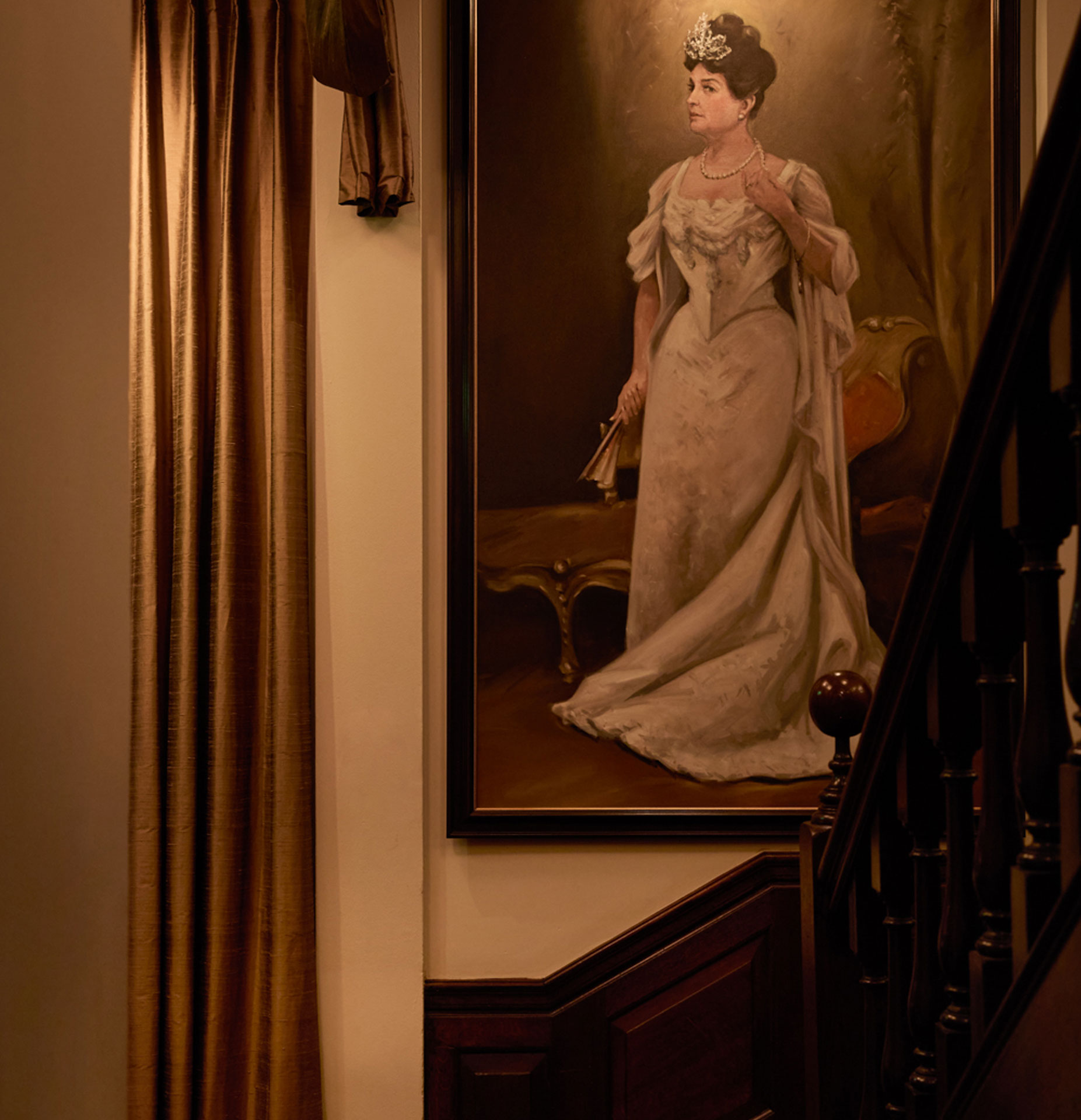
Born Helen Porter Mitchell in Melbourne, Australia, in 1861, Dame Nellie Melba adopted her stage name from her hometown before embarking on a remarkable operatic career. After studying singing in Melbourne, she travelled to Europe to refine her talent, eventually continuing her training in Paris.
Her breakthrough came in 1888 when she became the leading lyric soprano at London’s Covent Garden. Renowned for her exceptional vocal technique and elegant stage presence, Melba quickly established herself as one of the most celebrated opera singers of the late Victorian and Edwardian eras.
An International Opera Star
Although Dame Nellie Melba’s repertoire was relatively selective—she performed around 25 operatic roles and truly mastered approximately ten—her reputation extended across the globe. Her performances captivated audiences throughout Europe, North America and Australia, making her one of the first truly international opera stars.
During the First World War, Melba devoted much of her time to fundraising for the war effort, earning admiration not only for her extraordinary voice but also for her generosity and public service.
Dame Nellie Melba’s Lasting Legacy
When Dame Nellie Melba died in Australia in 1931, her passing made headlines across the English-speaking world, reflecting her extraordinary cultural impact. Today, her legacy endures in many ways, including her portrait on the Australian $100 banknote.
She also left the English language with a memorable expression. Thanks to the many farewell tours she undertook over nearly two decades, the phrase “more farewells than Nellie Melba” entered popular use to describe someone who never quite makes their final exit.
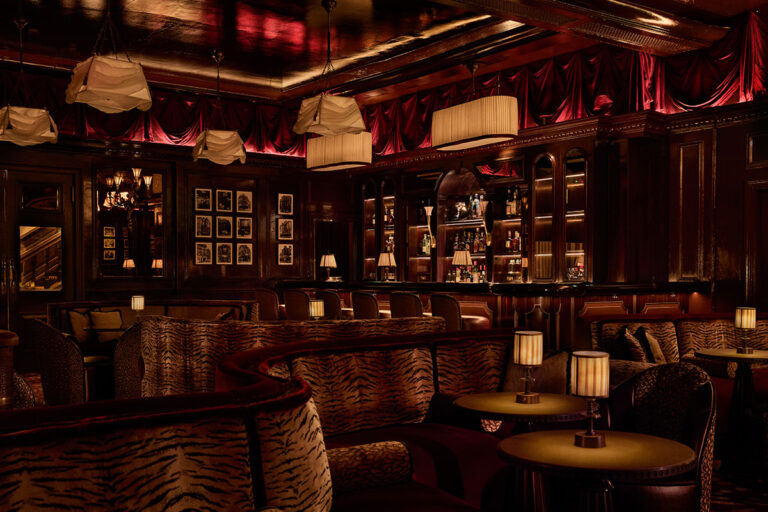
At Simpson’s in the Strand, we’re proud to celebrate her enduring legacy through Nellie’s Tavern—a fitting tribute to a performer whose influence continues to resonate more than a century after she first captivated London’s audiences.